Regenerative medicine
Regenerative Medicine Marketing for Clinics, Labs and Distributors
Stem cell, PRP and exosome practices sit in the most scrutinised corner of medicine. We build the websites, education and physician funnels that bring in serious patients and referring doctors, and we write every line so it holds up when the FDA, the FTC or your own counsel reads it.
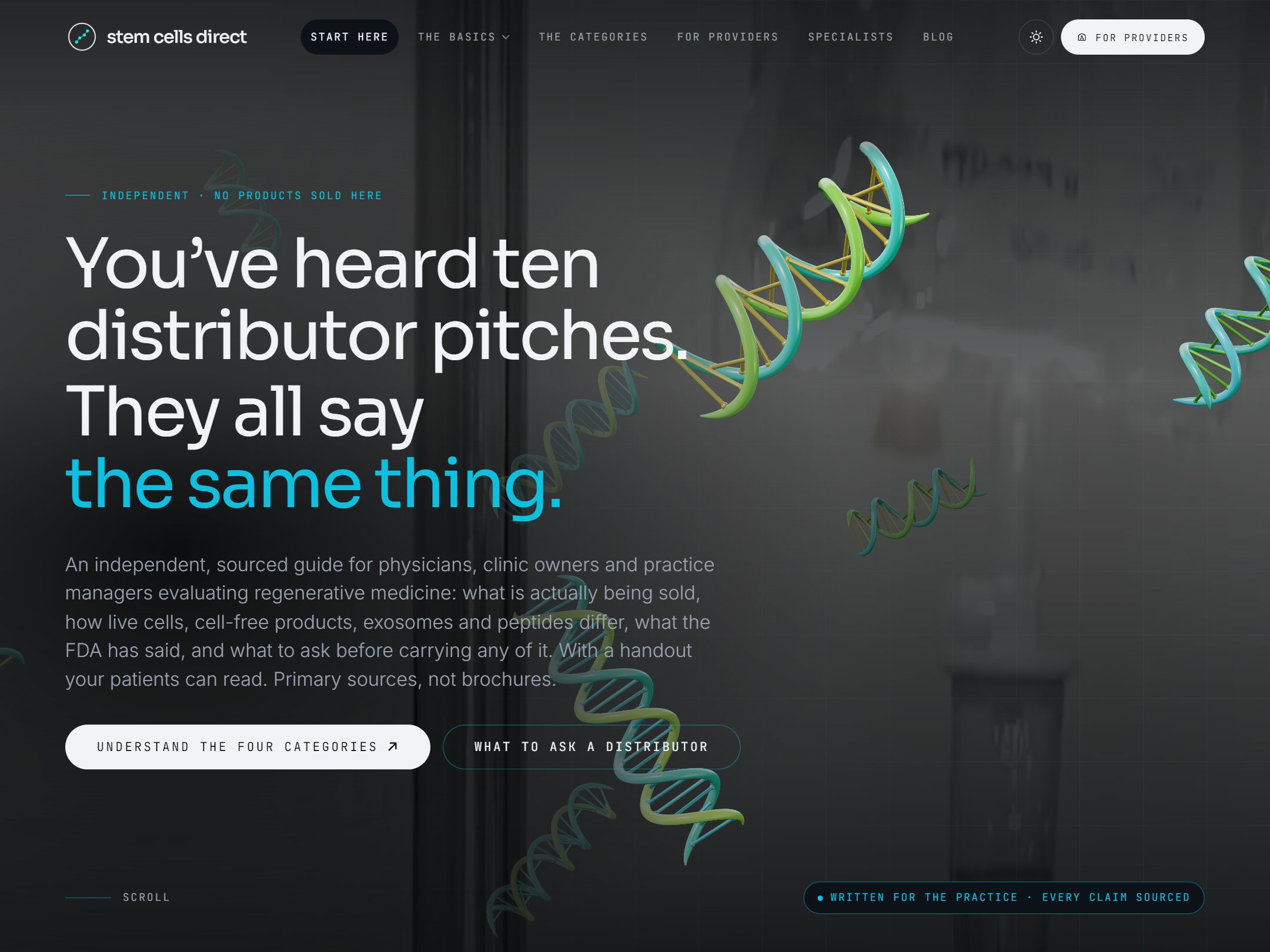
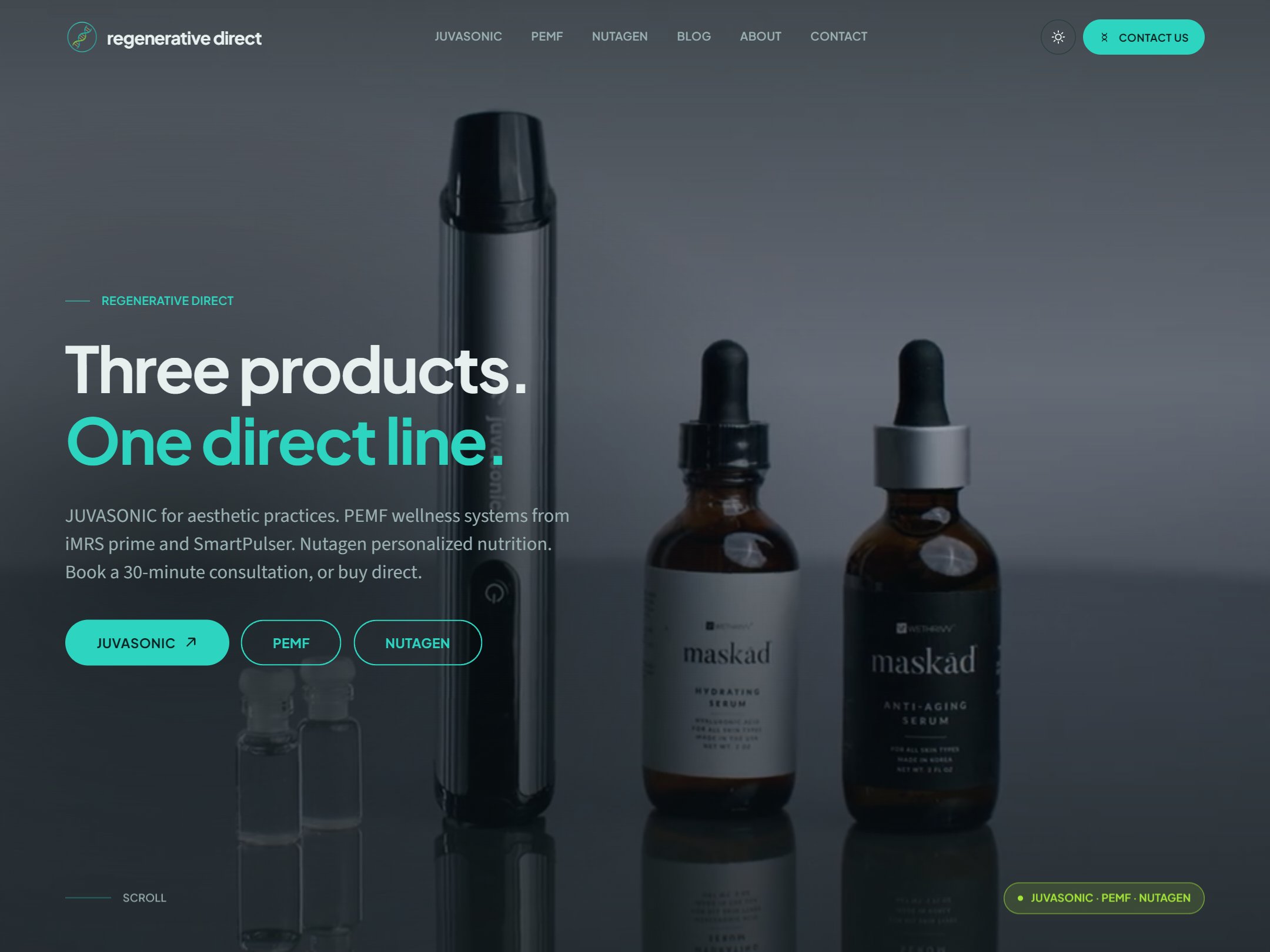
Act IThe problem
Why this field is hard to market
You already know the obstacles. Most agencies do not, and the playbook they sell you is the one that gets clinics suspended.
The ad platforms are mostly closed
Google does not allow ads for speculative or experimental treatments or for cell and gene therapies, apart from FDA licensed or approved therapies promoted by the licence holder. Educational ads are allowed. That rules out the playbook most medical agencies sell.
The regulator is active
The FDA has issued a public safety notification on exosome products and a steady run of warning letters to clinics and suppliers. Your marketing is often the first thing an investigator reads.
Your product category decides what you can say
The line between a minimally manipulated tissue product (section 361) and a biologic that needs approval (section 351) shapes every claim. Language that implies a product treats a disease turns marketing into evidence.
Patients research hard
They pay out of pocket and read the same FDA consumer pages your competitors ignore. Copy that overpromises loses the patients you want and attracts the ones you do not.
Act IIWhat we build
Marketing that informs first and sells second
Every piece is built for the two audiences a regenerative practice actually has: the patient doing research and the physician deciding whether to refer or to carry a product.
Education-first websites
Plain-language explanations of what a category is, how live-cell, cell-free and exosome products differ, and what the FDA has actually said, with the source beside the claim.
Physician and practice funnels
Pages and forms for referring doctors and practice managers, kept apart from the patient path, so B2B leads are never buried in patient enquiries.
Patient consultation flows
Enquiry forms that route to a consultation, collect only what you need, and make no promise about results.
Product pages with the right claim regime
Devices, cosmetics and supplements each live under different rules. We keep a device's function, a cosmetic's appearance claim and a supplement's structure and function claim apart, with the disclaimers each needs.
Content your physicians can sign
Articles and guides with citations, written so a doctor can put their name on them without a red pen.
Consent-first analytics
No advertising pixels on patient pages, an opt-out consent model, and analytics that respect it. A sensible default for any site that touches health information.
Act IIIHouse rules
How we keep every claim defensible
These are the rules on every regenerative site we build. They are not a disclaimer at the bottom of the page; they run through the build.
No “cure”, “heal”, “treat” or “repair” claims for any therapy, and no “FDA approved” unless we are quoting a real approval with its record linked.
No before and after images, outcome statistics or patient testimonials about results.
FTC rules expect evidence that typical patients get the same result, and a “results not typical” line does not fix it.
FTC Endorsement GuidesFTC Health Products Compliance Guidance
Every factual claim about a product category is sourced to the FDA or peer-reviewed literature, on the page.
Copy is checked by script at build time for banned phrases, so a careless edit cannot go live.
Material relationships are disclosed beside the call to action, not hidden in a footer.
We are marketers, not your regulatory counsel. We write to the rules and flag questions early, so your lawyer reviews a clean draft instead of rewriting a risky one.
Act IVThe work
Regenerative platforms we built and run
Real, live and open to inspection. Read the claims, click the sources, and judge the standard for yourself.
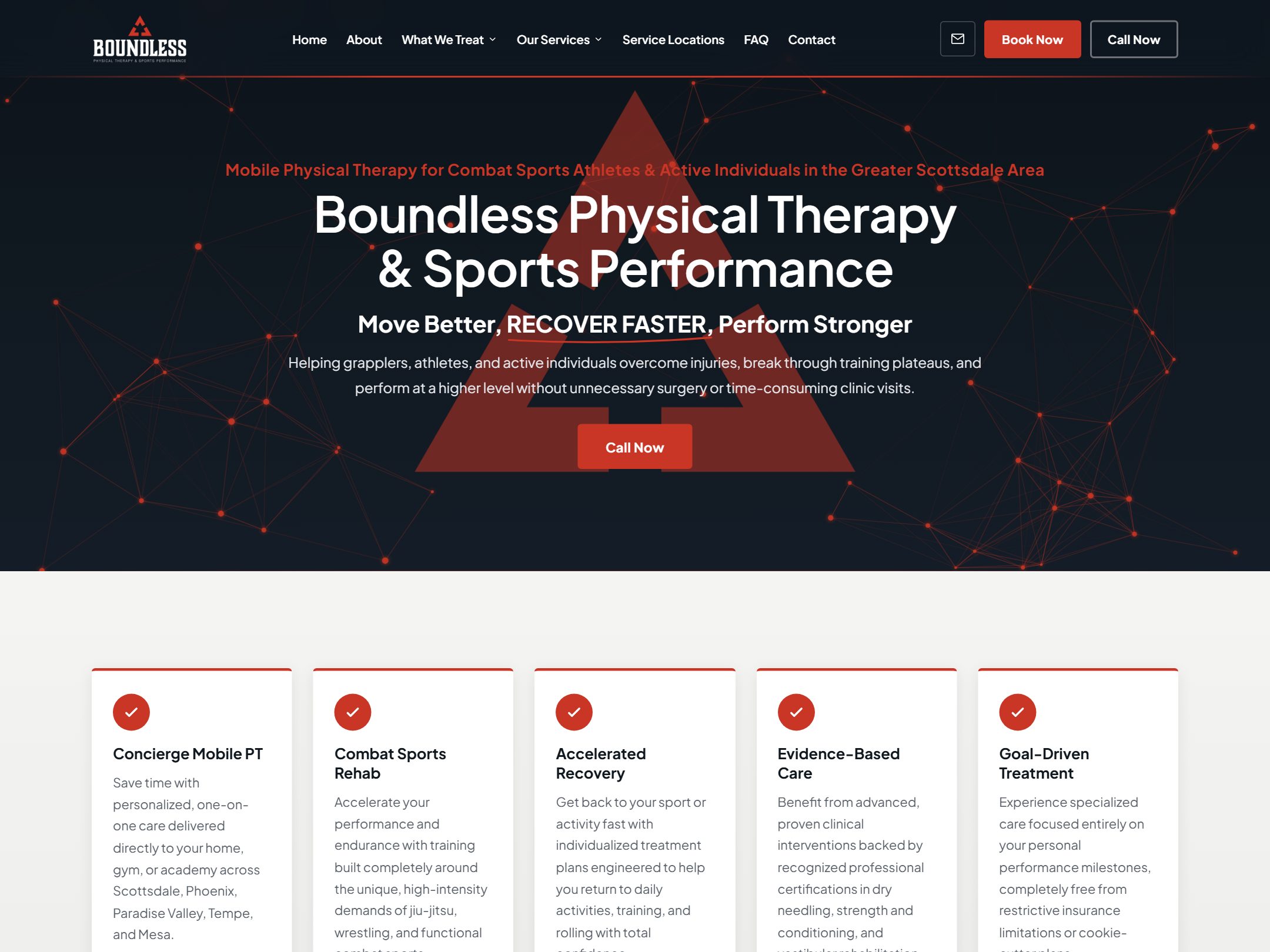
My own history here goes back further. I ran Vitality Regenerative, our regenerative medicine marketing division, in 2019 and 2020, building B2B2C funnels between labs, clinics and patients. Before that, from 2014 to 2018, I built websites and ran SEO for medical practices in Reno, Nevada. More about Paul or see all the medical work.
The medical record
Medical marketing since 2014
- Medical websites and SEO, Reno2014 to 2018
- Vitality Regenerative2019 to 2020
- Stem Cells DirectLive
- Regenerative DirectLive
Act VFit
The clients we take, and the ones we do not
We work with
- Regenerative and orthopedic practices, pain management and sports medicine
- Functional and integrative medicine
- Med spas and aesthetic practices adding regenerative options
- Labs, manufacturers and distributors selling to physicians
We turn down
Anyone who wants to sell an unapproved product as a treatment.
It protects you as much as us: your marketing partner's other clients are part of your risk.
Act VIQuestions
Questions clinics ask
Can you run Google Ads for our stem cell or exosome services?
Not for the therapies themselves. Google's healthcare policy does not allow ads for cell therapies or speculative treatments, with an exception only for FDA licensed or approved products promoted by the licence holder. Educational content is allowed. We build the organic search, education and referral channels that carry the load instead.
Can we say our treatment helps a specific condition?
Not unless you have the evidence the FTC expects and the product's regulatory status supports it. In practice that means describing what a category is, what the evidence says, and inviting a consultation, rather than naming conditions and outcomes.
Do you write patient testimonials?
No. We never write or invent reviews. If you collect genuine reviews, we help you display them in a way that follows the FTC rules, and we keep outcome claims out of them.
Will you work with our compliance counsel?
Yes, and we prefer to. We send drafts with the sources attached, so review is quick and your lawyer is checking a clean draft rather than rewriting a risky one.
Do you only work with practices in the US?
No. We work internationally. The rules on this page are US rules because that is where most regenerative practices we speak with market, and we adapt the plan to the rules wherever your patients are.
Call upon the forces of heaven
Market the practice, not the promise
Book an hour with Paul. Bring your current site and your hardest compliance question.
WhatsApp calls only. Based in Tbilisi, working worldwide.