Updated October 26, 2026: I clarified how Georgia taxes personal crypto gains versus business and referral income, what Small Business status covers, and that US citizens still owe US tax wherever they live.
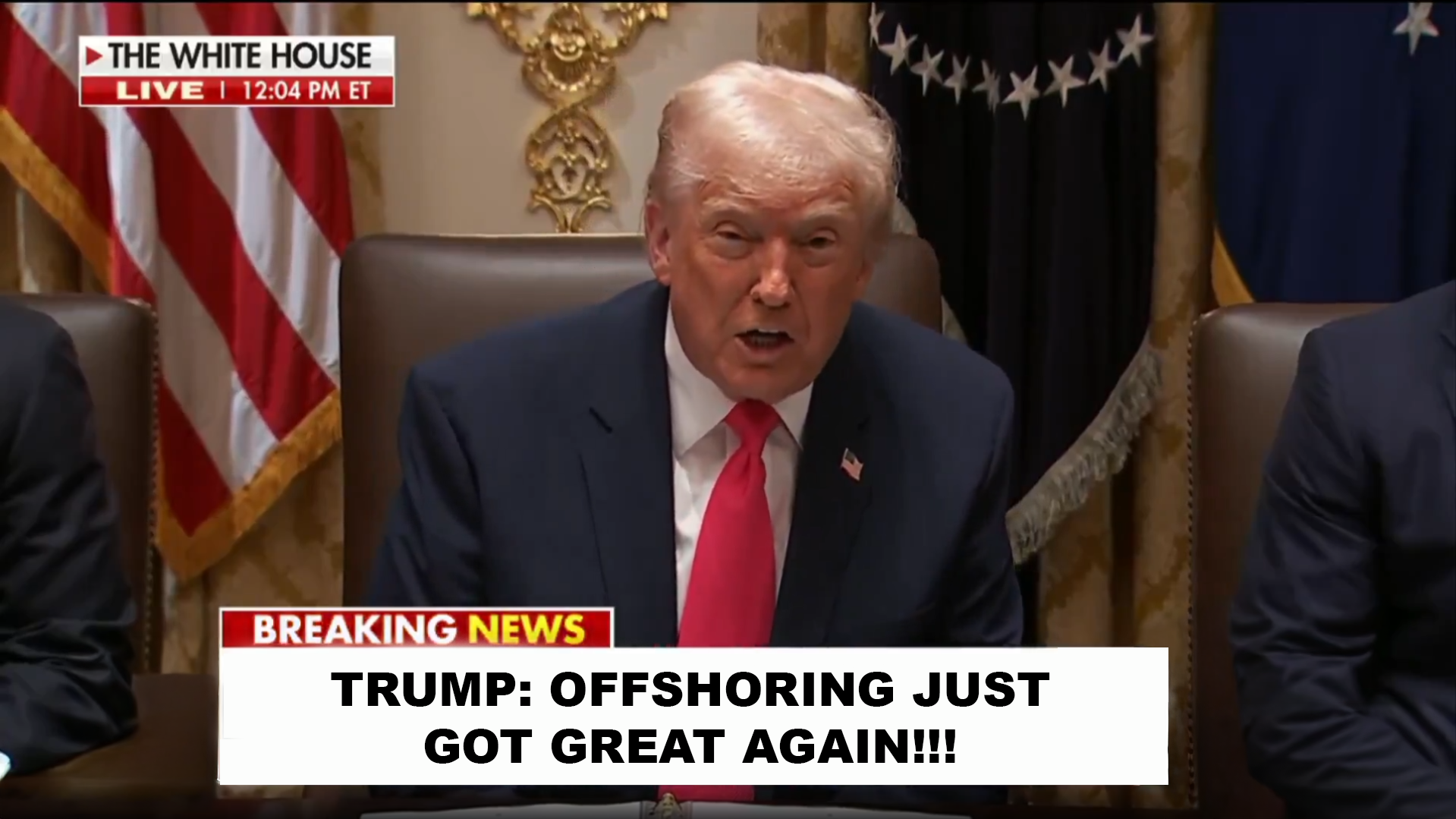
Donald Trump has floated the idea of a future without federal income tax for most Americans, with tariffs or a national sales tax carrying the load instead. For founders, digital nomads and builders who already live abroad, or are thinking about it, that is more than a headline. It is a reason to look hard at where your business lives, and where you do.
This piece walks through what is actually on the table, what a consumption tax would mean in practice, and why a structure in Georgia (the country) is worth a look. It is written by an operator who lives in Tbilisi and runs his companies from here, not by a tax adviser, so treat it as a starting map, not a verdict.
What has actually been proposed
Two ideas tend to get blended together. The first is Trump’s own talk, during the 2024 campaign and since, of cutting or ending the income tax and leaning on tariffs instead, including the “External Revenue Service” he announced to collect them. The second is the FairTax, a bill that has been introduced in Congress in several sessions. It would abolish the federal income, payroll and estate taxes, close the IRS, and replace them with a national sales tax on new goods and services.
The FairTax rate is usually quoted as 23%, but that is the tax-inclusive figure. Stated the way sales tax is normally stated, on top of the price, it works out to about 30%. To soften the hit on lower incomes, the bill pays every household a monthly “prebate” meant to cover the tax on spending up to the poverty line.
At the time of writing, none of this is law. Bills like this have been introduced before and gone nowhere. But the direction of the conversation matters, because it tells you that people in power are open to moving the tax burden from what you earn to what you spend.
What a 30% consumption tax looks like in real life
Run the arithmetic on a 30% rate charged on top of the price and the numbers get big fast:
- A $20 lunch costs $26, before any state sales tax.
- A new $600,000 home carries roughly $180,000 in federal sales tax. The FairTax exempts used homes and used goods, which tells you where buyers would go.
- A $50,000 new vehicle picks up about $15,000.
- State sales taxes, typically several percent, still sit on top.
Supporters argue that paychecks would grow because nothing is withheld, and that saving and investing would no longer be taxed. Critics argue the burden shifts toward people who spend most of what they earn. Both sides have a point. What is not in dispute is that if you live and spend in the United States, a consumption tax is very hard to plan around. You can defer income. You cannot defer groceries.
Why this changes the offshore conversation
For years, the case for an offshore structure was mostly about income tax. A consumption-tax world changes the logic. If tax follows spending, then where you live and where your business spends its money start to matter as much as where you book profit.
That is the honest version of “offshoring great again.” It is not about hiding anything. It is about choosing, legally and in the open, a place to live and a place to incorporate where the overall cost of building is lower.
One important caveat for Americans: the United States taxes its citizens on worldwide income wherever they live. Moving abroad does not end your US filing obligations today. The Foreign Earned Income Exclusion and foreign tax credits can reduce what you owe, and FBAR and FATCA reporting still apply to your foreign accounts. If the income tax really were repealed, that picture would change, but nobody should plan their life around a bill that has not passed.
Where Georgia fits
Georgia keeps coming up in these conversations for good reasons. In outline:
- Companies pay 15% profit tax, but only when profits are distributed. Profit kept in the company and reinvested is not taxed at the corporate level.
- Dividends paid to individual shareholders carry a 5% withholding tax.
- Georgian tax residents pay a flat 20% on Georgian-source income, and foreign-source income is generally not taxed.
- For individuals, crypto is treated as a currency, not a security, so personal gains on your own crypto are generally not taxed in Georgia. Business income is different: referral, affiliate or service income earned by a Georgian resident or company is taxable, even when it is paid in crypto.
- Individual entrepreneurs with Small Business status can pay 1% of turnover (gross revenue, not profit) up to GEL 500,000 a year, if their activity qualifies. Consulting and several professions are excluded, so check yours with a Georgian accountant.
- Special regimes, still in force in 2026, offer lower rates for qualifying IT and similar services exported from Georgia: International Company status (5% profit tax on distributions) and Virtual Zone status (a profit tax exemption on IT created in Georgia and supplied abroad). Both come with real substance requirements.
Add visa-free stays of up to a year for citizens of many countries, a low cost of living and banks that will talk to foreign founders, and you can see why Tbilisi has filled up with remote builders. I cover company registration, residency permits and banking step by step in my Georgia vs the Cayman Islands guide.
What Georgia does not do
It is just as important to be clear about the limits:
- Georgia is not a zero-tax jurisdiction. Distributed profits are taxed, and income from work you do while living in Georgia can count as Georgian-source.
- Georgia takes part in the OECD’s Common Reporting Standard, so assume your accounts are reported to the tax authority where you are resident.
- Becoming tax resident usually means spending 183 days or more in Georgia in a 12-month period, or qualifying under the high net worth route. Owning a Georgian company does not make you resident on its own.
- Statuses like Virtual Zone cover specific activities. They are not a blanket exemption for any business with a Georgian address.
- Your home country may still tax you, or your company, under its own rules on residence, management and controlled foreign companies.
Anyone who promises you 0% without asking where you live, what you sell and who your customers are is selling something.
Who this makes sense for
The founders I see benefit most from a Georgian base tend to share a few traits:
- Their customers are global and their work is done online.
- They reinvest most of their profit rather than drawing it all out every year.
- They work in sectors that mainstream banks and platforms make difficult: DeFi and crypto, cannabis and CBD, adult content and other high-risk merchant categories.
- They are willing to actually move, or at least spend real time on the ground.
If that is you, the structure is only half the job. The other half is a business that can get paid, get approved by processors and get found. That is the work we do at Vitality Agency, from high-risk merchant websites built for underwriting review to DeFi and crypto marketing for protocols and token projects.
FAQ
Has the US abolished the income tax?
No. At the time of writing, income tax repeal and the FairTax are proposals, not law. Plan on today’s rules.
If I move to Georgia, do I stop paying US tax?
Not if you are a US citizen or green card holder. The US taxes citizens on worldwide income wherever they live, including income Georgia does not tax, such as personal crypto gains. Exclusions and credits can reduce the bill, but the filing obligations remain.
Is Georgia a tax haven?
Georgia is a low-tax country with real taxes, a real economy and information-sharing agreements. Its appeal is low, simple rates and 0% on reinvested profit, not secrecy.
Can I open a Georgian company without living there?
Yes. Non-residents can register a Georgian LLC, often in a single working day. Whether that helps your taxes depends on where you live and where the company is managed, which is a question for an adviser in your home country.
The bottom line
Trump may never end the income tax. But the fact that it is on the table tells you the ground is moving, and builders who get ahead of that have more options than those who wait. Structure early, structure legally, and choose a base that fits how you actually live and work.
If you are weighing a move, or a Georgian structure for a crypto or high-risk business, reach out to Paul through the contact options at the bottom of this page. I will share what has worked for me and point you to the local lawyers and accountants who do this properly.
This article is general information, not tax, legal or financial advice. Tax rules change and depend on your circumstances. Speak to a qualified adviser in each country involved before you act.